Toggle Side Panel
GrowTH logo lockupGrowTH logo white
  • GrowTH Network
  • Courses
    • All Courses
    • TH Certificate Program
    • Introduction to TH
    • Advancing Skills in TH
    • Testimonials
  • For Organizations
    • Team Training & Resources
    • Colleges & Universities
    • Primary & Secondary Schools
  • About & Updates
    • About Therapeutic Horticulture
    • About Us
    • Newsletters & Blog
    • News & Media
    • Our Partners
    • Root in Nature to GrowTH
    • Contact
  • Research Database
More options

    Shopping Cart

    No products in the cart.

    Sign in
    GrowTH logo lockup
    GrowTH logo lockup
    • GrowTH Network
    • Courses
      • All Courses
      • TH Certificate Program
      • Introduction to TH
      • Advancing Skills in TH
      • Testimonials
    • For Organizations
      • Team Training & Resources
      • Colleges & Universities
      • Primary & Secondary Schools
    • About & Updates
      • About Therapeutic Horticulture
      • About Us
      • Newsletters & Blog
      • News & Media
      • Our Partners
      • Root in Nature to GrowTH
      • Contact us
    • Research Database
    • Login
    Close search
    RESEARCH

    Horticultural Therapy: A Pilot Study on Modulating Cortisol Levels and Indices of Substance Craving, Posttraumatic Stress Disorder, Depression, and Quality of Life in Veterans

    Detweiler, M.B., Self, J.A., Lane, S. et al. (2015). Horticultural therapy: A pilot study on modulating cortisol levels and indices of substance craving, posttraumatic stress disorder, depression, and quality of life in veterans. Altern Ther Health Med., 21(4), 36-41.
    Program Types: Therapeutic
    Population Groups: Military/Veterans
    Setting or Context: Community Gardens, Public/Botanical Gardens
    Health and Wellness Outcomes: Enhanced Emotional Well-being, Increased Social Engagement & Skills, Improved Quality of Life
    Allied Profession Intersections: Behavioral Therapy
    Type of Activity: Outdoor Gardening, Forest/Natural Area Immersion
    Evidence Type: Case Studies, Qualitative Research
    Measurement and Evaluation: Metrics for Mental Health, Program Effectiveness
    Access: Free
    [print-me target=".elementor-location-single" do_not_print=".other-activities, .print-btn, #tag-container" title="Print Form" role="button"/]
    Print / Save as PDF

    Summary

    A retrospective study examined self-initiated horticultural therapy (HT) among veterans in a 28-day inpatient Substance Abuse Residential Rehabilitation Treatment Program (SARRTP) at a Veterans Affairs Medical Center. 50% of 56 veterans voluntarily participated in gardening, engaging in passive (relaxing, observing plants) and active (watering, weeding, harvesting) activities. Veterans described the garden as a “safe haven” and reported feeling “calm,” “serene,” and “refreshed” after spending time in the garden.

    Despite no formal intervention, veterans sustained the program for two years post-study, demonstrating the therapeutic power of autonomy in recovery. Prior research also linked HT with reduced cortisol levels, improved mood, and lower alcohol cravings, highlighting its potential as an evidence-based complementary therapy for veterans overcoming substance abuse and PTSD​

    Link

    Detweiler, M.B., Self, J.A., Lane, S. et al. (2015). Horticultural therapy: A pilot study on modulating cortisol levels and indices of substance craving, posttraumatic stress disorder, depression, and quality of life in veterans. Altern Ther Health Med., 21(4), 36-41.


    Other Recommended Research

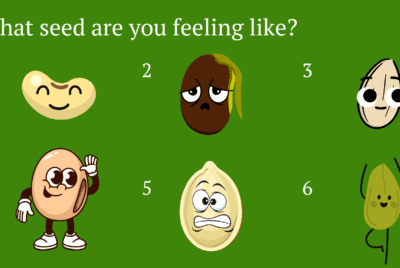
    What seed do you feel like today

    Seed-Themed Check-In

    Participants talk about their emotions by comparing them to different photos of seeds with faces on them.
    Soilless Seed Mix (17)

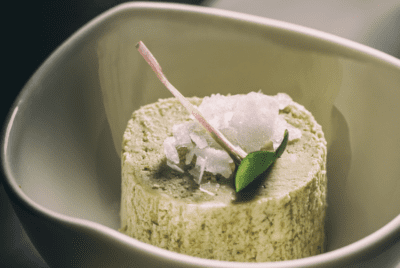
    Herbal Compound Butter

    Participants create an herb infused butter with garden fresh herbs.
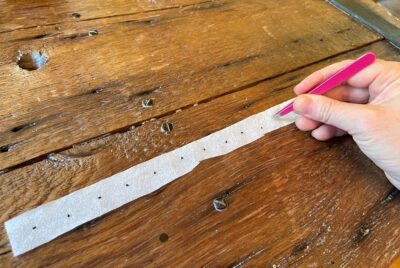
    Seed Tape

    Seed Tape

    Using one ply toilet paper, participants create a simple seed tape where seeds are spaced out for best planting results in the garden.
    Feature Photo-2

    ‘The nourishing soil of the soul’: The role of horticultural therapy in promoting well-being in community-dwelling people with dementia

    Gardening can help people with dementia feel more active, connected, and less lonely by improving their physical and mental well-being. The article highlights the need for more accessible gardening programs in the community to support social engagement and a better quality of life.
    Copy of Copy of Copy of Copy of Database Photos

    “Connecting people and the earth”: the occupational experience of people with different capabilities participating in an inclusive horticultural social enterprise

    This thesis examines how a gardening-based social enterprise helps people of all abilities by providing meaningful work, social connections, and a sense of belonging. While it highlights the benefits of inclusion and community participation, it also points out challenges like funding and governance that need to be addressed for long-term success.
    Copy of Research Database Photos

    ‘Into the Wild’: A meta-synthesis of talking therapy in natural outdoor spaces

    This Meta-synthesis highlights the benefits of holding therapy sessions in nature, which can reduce stress, improve mood, and enhance emotional well-being. While outdoor therapy offers unique advantages, such as greater openness and connection with nature, it also requires careful consideration of client suitability and professional training.
    GrowTH-TM-Logo-Files-01-1024x476
    • Courses Overview
    • GrowTH Network
    • Contact
    • Research Database
    • Newsletters & Blog
    • Privacy Policy

    GrowTH Thymes

    News, resources and ideas for the therapeutic horticulture community

    Thank you!

    You have successfully joined our subscriber list.

    imunify-bot-check

    Report

    There was a problem reporting this post.

    Contains mature or sensitive content
    Contains misleading or false information
    Contains spam, fake content or potential malware
    Harassment or bullying behavior
    Contains abusive or derogatory content

    Block Member?

    Please confirm you want to block this member.

    You will no longer be able to:

    • See blocked member's posts
    • Mention this member in posts
    • Invite this member to groups
    • Message this member
    • Add this member as a connection

    Please note: This action will also remove this member from your connections and send a report to the site admin. Please allow a few minutes for this process to complete.

    Report

    You have already reported this .