

Toggle Side Panel
GrowTH logo lockupGrowTH logo white
  • GrowTH Network
  • Courses
    • All Courses
    • TH Certificate Program
    • Introduction to TH
    • Advancing Skills in TH
    • Testimonials
  • For Organizations
    • Team Training & Resources
    • Colleges & Universities
    • Primary & Secondary Schools
  • About & Updates
    • About Therapeutic Horticulture
    • About Us
    • Job Opportunity
    • News & Media
    • Our Partners
    • Root in Nature to GrowTH
    • Contact
  • Free Resources
    • Newsletters & Blog
    • Research Database
    • Free Guide & Toolkit
More options

    Shopping Cart

    No products in the cart.

    Sign in
    GrowTH logo lockup
    GrowTH logo lockup
    • GrowTH Network
    • Courses
      • All Courses
      • TH Certificate Program
      • Introduction to TH
      • Advancing Skills in TH
      • Testimonials
    • For Organizations
      • Team Training & Resources
      • Colleges & Universities
      • Primary & Secondary Schools
    • About & Updates
      • About Therapeutic Horticulture
      • About Us
      • Job Opportunity
      • News & Media
      • Our Partners
      • Root in Nature to GrowTH
      • Contact us
    • Free Resources
      • Newsletters & Blog
      • Research Database
      • Free Guide & Toolkit
    • Login
    Close search
    RESEARCH

    The Cost Effectiveness of Ecotherapy as a Healthcare Intervention, Separating the Wood from the Trees

    Ecotherapy has the potential to improve mental health, physical activity, and reduce healthcare costs in people with common mental health problems, but the current evidence is too weak and short-term to confirm its cost-effectiveness. The paper recommends conducting more high-quality research to better assess whether ecotherapy should be adopted more broadly as part of healthcare services.
    Program Types: Social, Therapeutic
    Population Groups: Addiction/Substance Use Disorders, Dementia/Traumatic & Acquired Brain Injuries, General Population, Mental Health Challenges/Trauma
    Setting or Context: Community Gardens, Farms, Natural Areas/Parks/Forest, Urban vs. Rural Settings
    Health and Wellness Outcomes: Decreased Need for Pain Medication, Enhanced Emotional Well-being, Greater Job Readiness & Vocational Skills, Greater Sense of Purpose, Improved Mental Health, Improved Physical Health, Increased Self-Efficacy, Increased Social Engagement & Skills
    Allied Profession Intersections: Behavioral Therapy, Forest/Ecotherapy, Social Work
    Type of Activity: Environmental Education, Forest/Natural Area Immersion, Mindfulness/Visualizations, Nature-Based Arts & Crafts, Outdoor Gardening
    Evidence Type: Case Studies, Meta-Analyses/Systematic Reviews, Peer-Reviewed Studies, Qualitative Research, Quantitative Research, Randomized Controlled Trials
    Measurement and Evaluation: Longitudinal Studies, Metrics for Mental Health, Metrics for Physical Health, Patient-Reported Outcomes, Program Effectiveness, Standardized Assessment Tools
    Access: Free
    Print / Save as PDF

    Summary

    This paper explores whether ecotherapy—a type of group-based, nature-centered activity used to improve mental health—could be a cost-effective healthcare treatment. With more people living in cities and having less contact with nature, there is growing interest in using natural environments to help with mental health problems like depression and anxiety. The authors reviewed existing studies and reports to understand both the costs of running ecotherapy programs and their potential benefits, such as improved mental and physical well-being. They found some encouraging evidence that ecotherapy can help reduce symptoms of depression, increase physical activity, and lower healthcare costs through fewer doctor visits and reduced medication use.

    However, the overall quality of the available evidence is weak, with few high-quality studies and almost no long-term data on whether benefits last after the program ends. The authors argue that while ecotherapy shows promise and may offer wider social benefits beyond health (such as improved social connection and reduced inequality), much more research—especially randomized controlled trials—is needed to know if it is truly cost-effective enough to be widely funded through national healthcare systems like the UK’s NHS.

    Link

    Hinde, S., Bojke, L., & Coventry, P. (2021). The cost effectiveness of ecotherapy as a healthcare intervention, separating the wood from the trees.  International journal of environmental research and public health, 18(21), 11599


    Other Recommended Research

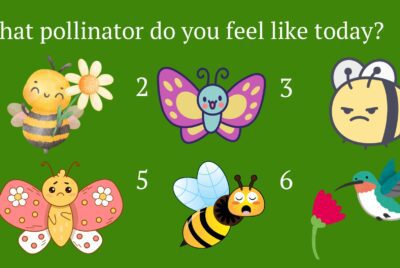
    The Power of Pollinators

    Pollinators-Themed Check-In

    Participants talk about their emotions by comparing them to different pollinators.
    Title (20)

    Valentine’s Day Trivia

    Participants learn fun facts about Valentine’s day and flowers.
    Soilless Seed Mix (2)

    Garden Maintenance

    In this open-ended activity, participants conduct various garden maintenance tasks, such as weeding, watering and fertilizing.
    Copy of Copy of Copy of Copy of Database Photos

    “Connecting people and the earth”: the occupational experience of people with different capabilities participating in an inclusive horticultural social enterprise

    This thesis examines how a gardening-based social enterprise helps people of all abilities by providing meaningful work, social connections, and a sense of belonging. While it highlights the benefits of inclusion and community participation, it also points out challenges like funding and governance that need to be addressed for long-term success.
    Copy of Research Database Photos

    ‘Into the Wild’: A meta-synthesis of talking therapy in natural outdoor spaces

    This Meta-synthesis highlights the benefits of holding therapy sessions in nature, which can reduce stress, improve mood, and enhance emotional well-being. While outdoor therapy offers unique advantages, such as greater openness and connection with nature, it also requires careful consideration of client suitability and professional training.
    Feature Photo-2

    ‘The nourishing soil of the soul’: The role of horticultural therapy in promoting well-being in community-dwelling people with dementia

    Gardening can help people with dementia feel more active, connected, and less lonely by improving their physical and mental well-being. The article highlights the need for more accessible gardening programs in the community to support social engagement and a better quality of life.
    GrowTH-TM-Logo-Files-01-1024x476
    • Courses Overview
    • GrowTH Network
    • Contact
    • Research Database
    • Newsletters & Blog
    • Privacy Policy

    GrowTH Thymes

    News, resources and ideas for the therapeutic horticulture community

    Thank you!

    You have successfully joined our subscriber list.

    imunify-bot-check

    Report

    There was a problem reporting this post.

    Contains abusive or derogatory content
    Contains mature or sensitive content
    Contains misleading or false information
    Contains spam, fake content or potential malware
    Harassment or bullying behavior

    Block Member?

    Please confirm you want to block this member.

    You will no longer be able to:

    • See blocked member's posts
    • Mention this member in posts
    • Invite this member to groups
    • Message this member
    • Add this member as a connection

    Please note: This action will also remove this member from your connections and send a report to the site admin. Please allow a few minutes for this process to complete.

    Report

    You have already reported this .