
Toggle Side Panel
GrowTHGrowTH
  • GrowTH Network
  • Courses
    • All Courses
    • TH Certificate Program
    • Introduction to TH
    • Advancing Skills in TH
    • Testimonials
  • For Organizations
    • Team Training & Resources
    • Colleges & Universities
    • Primary & Secondary Schools
  • About & Updates
    • About Therapeutic Horticulture
    • About Us
    • Newsletters & Blog
    • News & Media
    • Our Partners
    • Contact
  • Research Database
More options

    Shopping Cart

    No products in the cart.

    Sign in
    • GrowTH Network
    • Courses
      • All Courses
      • TH Certificate Program
      • Introduction to TH
      • Advancing Skills in TH
      • Testimonials
    • For Organizations
      • Team Training & Resources
      • Colleges & Universities
      • Primary & Secondary Schools
    • About & Updates
      • About Therapeutic Horticulture
      • About Us
      • Newsletters & Blog
      • News & Media
      • Our Partners
      • Contact us
    • Research Database
    • Login
    Close search
    RESEARCH

    Nature-Based Therapeutics: A Collaborative Research Agenda Promoting Equitable Access and Environmental Stewardship

    The authors emphasize that nature-based therapeutics appear to be a low-cost and safe way to improve health and well-being. Their research agenda prioritizes understanding how to effectively integrate current evidence into practice and how to increase equitable access to nature for all populations.
    Program Types: Therapeutic
    Population Groups: General Population
    Setting or Context: Public/Botanical Gardens, Natural Areas/Parks/Forest, Schools/Educational Settings
    Health and Wellness Outcomes: Increased Sense of Belonging (Reduced Isolation), Improved Stress Management, Improved Cognitive Function, Increased Social Engagement & Skills, Increased Horticultural Knowledge, Enhanced Emotional Well-being
    Allied Profession Intersections: Nursing, Education
    Type of Activity: Environmental Education, Forest/Natural Area Immersion, Outdoor Gardening
    Evidence Type: Observational Research, Qualitative Research, Quantitative Research, Peer-Reviewed Studies
    Measurement and Evaluation: Patient-Reported Outcomes, Program Effectiveness, Metrics for Mental Health
    Access: Free
    [print-me target=".elementor-location-single" do_not_print=".other-activities, .print-btn, #tag-container" title="Print Form" role="button"/]
    Print / Save as PDF

    Summary

    This research paper discusses how using nature to promote health and wellness is becoming increasingly important, especially given the social isolation caused by the COVID-19 pandemic and people spending more time indoors. The authors point out that connecting with nature has many known benefits for our minds and bodies. To understand how to best use these benefits, a team of nurses developed a research plan called RxPLORE TM. This plan involves looking at existing research on nature-based therapies and figuring out how to put that knowledge into practice to help people, particularly children and families. The authors also want to identify gaps in what we know and find better ways to measure the positive effects of nature on health. This paper itself is an integrative review, meaning it looks at a wide range of existing studies to lay the groundwork for this future research.

    The RxPLORE TM research plan has two main parts: translational research and exploratory research. Translational research focuses on taking what we already know about the health benefits of nature and creating practical tools and programs that nurses and communities can use. For example, they plan to create a “nature discovery and restoration toolkit”. This part also emphasizes working with communities to make sure everyone has fair access to nature and green spaces. Exploratory research aims to dig deeper and answer questions we don’t yet have good answers for. This includes studying how nature affects things like vital signs, stress hormones (cortisol), and even the tiny organisms living on our skin and in our bodies (microbiome). The ultimate goal of this research is to promote both human health and environmental stewardship.

    Link

    Alexander, G.K., & Brooks, V. (2022). Nature-based therapeutics: A collaborative research agenda promoting equitable access and environmental stewardship. Collegian, 29(1), 119-124


    Other Recommended Research

    Root Vegetable Guessing Game

    Participants learn about different types of root vegetables and how they grow.

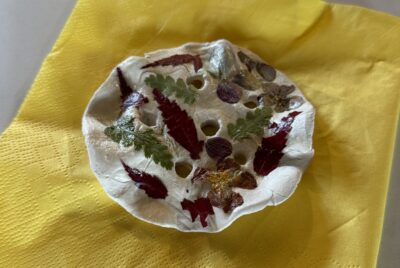
    Air Dry Clay Floral Frogs

    Participants create a simple air dry clay floral frog that can be used to display fresh or dried flowers in a mason jar.

    5-4-3-2-1 Senses Mindfulness Activity

    A simple grounding exercise that engages the senses to promote mindfulness, relaxation, and self-awareness.

    “Connecting people and the earth”: the occupational experience of people with different capabilities participating in an inclusive horticultural social enterprise

    This thesis examines how a gardening-based social enterprise helps people of all abilities by providing meaningful work, social connections, and a sense of belonging. While it highlights the benefits of inclusion and community participation, it also points out challenges like funding and governance that need to be addressed for long-term success.

    ‘Into the Wild’: A meta-synthesis of talking therapy in natural outdoor spaces

    This Meta-synthesis highlights the benefits of holding therapy sessions in nature, which can reduce stress, improve mood, and enhance emotional well-being. While outdoor therapy offers unique advantages, such as greater openness and connection with nature, it also requires careful consideration of client suitability and professional training.

    ‘The nourishing soil of the soul’: The role of horticultural therapy in promoting well-being in community-dwelling people with dementia

    Gardening can help people with dementia feel more active, connected, and less lonely by improving their physical and mental well-being. The article highlights the need for more accessible gardening programs in the community to support social engagement and a better quality of life.
    • Courses Overview
    • GrowTH Network
    • Contact
    • Research Database
    • Newsletters & Blog
    • Privacy Policy

    The GrowTH Source

    Signup for monthly highlights, inspiration and education!

    Thank you!

    You have successfully joined our subscriber list.

    imunify-bot-check

    Report

    There was a problem reporting this post.

    Harassment or bullying behavior
    Contains abusive or derogatory content
    Contains mature or sensitive content
    Contains misleading or false information
    Contains spam, fake content or potential malware

    Block Member?

    Please confirm you want to block this member.

    You will no longer be able to:

    • See blocked member's posts
    • Mention this member in posts
    • Invite this member to groups
    • Message this member
    • Add this member as a connection

    Please note: This action will also remove this member from your connections and send a report to the site admin. Please allow a few minutes for this process to complete.

    Report

    You have already reported this .