
Toggle Side Panel
GrowTH logo lockupGrowTH logo white
  • GrowTH Network
  • Courses
    • All Courses
    • TH Certificate Program
    • Introduction to TH
    • Advancing Skills in TH
    • Testimonials
  • For Organizations
    • Team Training & Resources
    • Colleges & Universities
    • Primary & Secondary Schools
  • About & Updates
    • About Therapeutic Horticulture
    • About Us
    • Newsletters & Blog
    • News & Media
    • Our Partners
    • Root in Nature to GrowTH
    • Contact
  • Research Database
More options

    Shopping Cart

    No products in the cart.

    Sign in
    GrowTH logo lockup
    GrowTH logo lockup
    • GrowTH Network
    • Courses
      • All Courses
      • TH Certificate Program
      • Introduction to TH
      • Advancing Skills in TH
      • Testimonials
    • For Organizations
      • Team Training & Resources
      • Colleges & Universities
      • Primary & Secondary Schools
    • About & Updates
      • About Therapeutic Horticulture
      • About Us
      • Newsletters & Blog
      • News & Media
      • Our Partners
      • Root in Nature to GrowTH
      • Contact us
    • Research Database
    • Login
    Close search
    RESEARCH

    A Systematic Review of Studies Evaluating the Effectiveness of Horticultural Therapy for Increasing Well-Being and Decreasing Anxiety and Depression

    This dissertation concludes that horticultural therapy is an effective intervention for reducing anxiety and depression, although its impact on well-being was not consistently significant across all studies. The meta-analysis found statistically significant reductions in anxiety and depression among participants in horticultural therapy programs, but noted considerable variability in outcomes, suggesting that further research is needed to standardize these interventions.
    Program Types: Therapeutic
    Population Groups: Older Adults/Seniors, Dementia/Traumatic & Acquired Brain Injuries, Burnout/Workplace Stress, Chronic/Acute Health Conditions, Addiction/Substance Use Disorders
    Setting or Context: Assisted Living/Long-Term Care Homes, Hospitals/Clinics, Rehabilitation Centers, Workplace Environments, Urban vs. Rural Settings
    Health and Wellness Outcomes: Improved Mental Health, Enhanced Emotional Well-being, Greater Sense of Purpose, Enhanced Spiritual Health, Improved Cognitive Function, Improved Physical Health, Increased Social Engagement & Skills
    Allied Profession Intersections: Recreational Therapy, Occupational Therapy, Counselling
    Type of Activity: Sensory Stimulation, Outdoor Gardening, Nature-Based Arts & Crafts, Growing Plants from Seed
    Evidence Type: Meta-Analyses/Systematic Reviews
    Measurement and Evaluation: Metrics for Mental Health, Metrics for Physical Health, Standardized Assessment Tools, Program Effectiveness
    Access: Free
    [print-me target=".elementor-location-single" do_not_print=".other-activities, .print-btn, #tag-container" title="Print Form" role="button"/]
    Print / Save as PDF

    Summary

    This dissertation explores the effectiveness of horticultural therapy, which involves using gardening and plant-related activities to improve mental health. The study reviews existing research on how horticultural therapy can help reduce stress, anxiety, and depression, while also enhancing well-being. It highlights that humans have a natural inclination towards nature, which can be therapeutic. As people spend more time indoors due to urbanization and technology, reconnecting with nature through activities like gardening can have positive effects on mental health.

    The dissertation also examines various theories that explain why nature-based interventions like horticultural therapy are beneficial. It discusses how these interventions can be applied in different settings, such as community gardens, which not only provide mental health benefits but also foster social connections. The study concludes that horticultural therapy is a valuable tool for improving mental health across various populations and suggests that it should be more widely recognized and implemented in therapeutic settings.

    Link

    Lasater, C.A. (2022). A systematic review of studies evaluating the effectiveness of horticultural therapy for increasing well-being and decreasing anxiety and depression. Digital Commons @ ACU, Electronic Theses and Dissertations. Paper 470


    Other Recommended Research

    pexels-rdne-stock-project-7782163

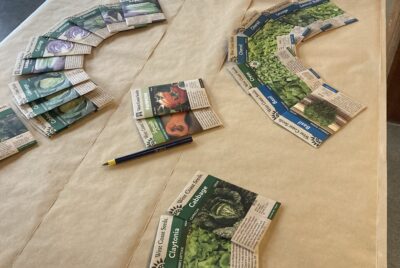
    How to Read a Seed Packet Discussion

    Participants learn how to read a seed packet and choose what seeds to plant.
    1P6A4791_1646789389

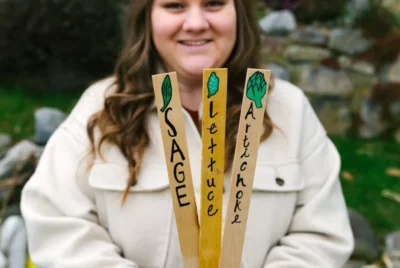
    Cheerful Garden Signs

    Participants craft signs to place in the garden with cute, punny, or cheerful sayings.
    Seed sorting

    Sorting Seeds

    Participants organize seeds to prepare for the garden season, promoting discussion, problem solving and teamwork skills.
    Copy of Research Database Photos

    ‘Into the Wild’: A meta-synthesis of talking therapy in natural outdoor spaces

    This Meta-synthesis highlights the benefits of holding therapy sessions in nature, which can reduce stress, improve mood, and enhance emotional well-being. While outdoor therapy offers unique advantages, such as greater openness and connection with nature, it also requires careful consideration of client suitability and professional training.
    Copy of Copy of Copy of Copy of Database Photos

    “Connecting people and the earth”: the occupational experience of people with different capabilities participating in an inclusive horticultural social enterprise

    This thesis examines how a gardening-based social enterprise helps people of all abilities by providing meaningful work, social connections, and a sense of belonging. While it highlights the benefits of inclusion and community participation, it also points out challenges like funding and governance that need to be addressed for long-term success.
    Feature Photo-2

    ‘The nourishing soil of the soul’: The role of horticultural therapy in promoting well-being in community-dwelling people with dementia

    Gardening can help people with dementia feel more active, connected, and less lonely by improving their physical and mental well-being. The article highlights the need for more accessible gardening programs in the community to support social engagement and a better quality of life.
    GrowTH-TM-Logo-Files-01-1024x476
    • Courses Overview
    • GrowTH Network
    • Contact
    • Research Database
    • Newsletters & Blog
    • Privacy Policy

    GrowTH Thymes

    News, resources and ideas for the therapeutic horticulture community

    Thank you!

    You have successfully joined our subscriber list.

    imunify-bot-check

    Report

    There was a problem reporting this post.

    Harassment or bullying behavior
    Contains abusive or derogatory content
    Contains mature or sensitive content
    Contains misleading or false information
    Contains spam, fake content or potential malware

    Block Member?

    Please confirm you want to block this member.

    You will no longer be able to:

    • See blocked member's posts
    • Mention this member in posts
    • Invite this member to groups
    • Message this member
    • Add this member as a connection

    Please note: This action will also remove this member from your connections and send a report to the site admin. Please allow a few minutes for this process to complete.

    Report

    You have already reported this .