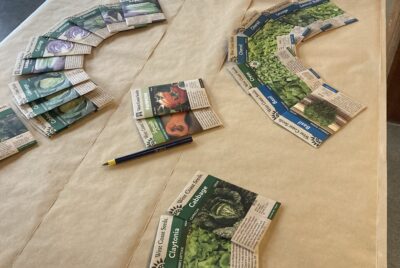
This study evaluated a 10-week horticultural therapy (HT) program for adults with dementia at a university-run adult day service program. The researchers developed and implemented stimulating, appropriate horticultural activities that could be modified to suit participants with varying abilities. They then compared the effects of these HT activities to more typical adult day service activities.
The study used observational methods to assess participant engagement and affect during HT and non-HT activities. The researchers hypothesized that participants would spend less time doing nothing and more time engaged in the presented activity during HT sessions than non-HT activities. They also expected participants to display more positive affect during HT activities. The results supported these hypotheses, showing that participants engaged in horticultural activities for longer periods than non-horticultural activities while maintaining comparable affect. The findings suggest that HT is an appropriate and beneficial activity for dementia care programs serving adults with a wide range of cognitive, physical, and social needs.