Toggle Side Panel
GrowTH logo lockupGrowTH logo white
  • GrowTH Network
  • Courses
    • All Courses
    • TH Certificate Program
    • Introduction to TH
    • Advancing Skills in TH
    • Testimonials
  • For Organizations
    • Team Training & Resources
    • Colleges & Universities
    • Primary & Secondary Schools
  • About & Updates
    • About Therapeutic Horticulture
    • About Us
    • Newsletters & Blog
    • News & Media
    • Our Partners
    • Root in Nature to GrowTH
    • Contact
  • Research Database
More options

    Shopping Cart

    No products in the cart.

    Sign in
    GrowTH logo lockup
    GrowTH logo lockup
    • GrowTH Network
    • Courses
      • All Courses
      • TH Certificate Program
      • Introduction to TH
      • Advancing Skills in TH
      • Testimonials
    • For Organizations
      • Team Training & Resources
      • Colleges & Universities
      • Primary & Secondary Schools
    • About & Updates
      • About Therapeutic Horticulture
      • About Us
      • Newsletters & Blog
      • News & Media
      • Our Partners
      • Root in Nature to GrowTH
      • Contact us
    • Research Database
    • Login
    Close search
    RESEARCH

    Effectiveness of Therapeutic Gardens for People with Dementia: A Systematic Review

    This systematic review evaluates the effectiveness of therapeutic gardens for individuals with dementia, assessing their impact on engagement, agitation, depression, stress, medication use, and quality of life.
    Program Types: Therapeutic
    Population Groups: Dementia/Traumatic & Acquired Brain Injuries
    Setting or Context: Assisted Living/Long-Term Care Homes, Low Care/Independent Long-Term Homes, Community Gardens, Homes/Private Residences
    Health and Wellness Outcomes: Enhanced Emotional Well-being, Improved Stress Management, Improved Cognitive Function, Increased Social Engagement & Skills
    Allied Profession Intersections: Behavioral Therapy, Social Work
    Type of Activity: Indoor Plant Care, Outdoor Gardening, Edible Plant Gardening
    Evidence Type: Meta-Analyses/Systematic Reviews
    Measurement and Evaluation: Metrics for Mental Health, Program Effectiveness
    Access: Free
    [print-me target=".elementor-location-single" do_not_print=".other-activities, .print-btn, #tag-container" title="Print Form" role="button"/]
    Print / Save as PDF

    Summary

    The study synthesizes findings from 16 quantitative studies on the benefits of therapeutic gardens and gardening therapy for people with dementia. Results indicate that gardening and exposure to green spaces significantly improve engagement, reduce agitation and depression, lower stress, and, in some cases, decrease medication use. Specific improvements were observed in mood, cognitive function, and sleep patterns, while structured gardening activities yielded higher engagement than passive exposure to gardens.

    The study highlights the need for more research on garden design elements, as few studies compared different garden layouts, plant types, or environmental features. Additionally, the effects varied based on dementia severity and garden accessibility. While evidence supports the therapeutic value of gardens in dementia care, future research should focus on standardizing intervention protocols and measuring long-term effects​

    Link

    Murroni, V., Cavalli, R., Basso, A. et al. (2021). Effectiveness of therapeutic gardens for people with dementia: A systematic review. Int J Environ Res Public Health., 18(18), 9595.


    Other Recommended Research

    pexels-john-callery-5621110

    Hanging Baskets Planting

    Participants mindfully pot a hanging basket.
    mulch

    Mulching

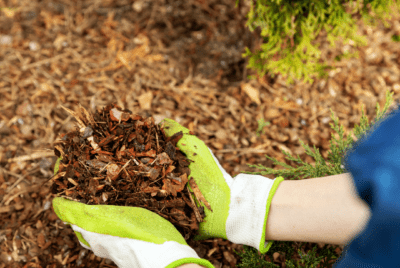
    Participants learn about the benefits of mulching, including moisture retention, temperature protection, weed prevention, and soil health, while applying mulch to the garden.
    Title (35)

    Fall is…Sensory Activity

    Participants will engage their senses to describe the essence of fall, using prompts to evoke sensory memories and reflections on the season.
    Feature Photo-2

    ‘The nourishing soil of the soul’: The role of horticultural therapy in promoting well-being in community-dwelling people with dementia

    Gardening can help people with dementia feel more active, connected, and less lonely by improving their physical and mental well-being. The article highlights the need for more accessible gardening programs in the community to support social engagement and a better quality of life.
    Copy of Research Database Photos

    ‘Into the Wild’: A meta-synthesis of talking therapy in natural outdoor spaces

    This Meta-synthesis highlights the benefits of holding therapy sessions in nature, which can reduce stress, improve mood, and enhance emotional well-being. While outdoor therapy offers unique advantages, such as greater openness and connection with nature, it also requires careful consideration of client suitability and professional training.
    Copy of Copy of Copy of Copy of Database Photos

    “Connecting people and the earth”: the occupational experience of people with different capabilities participating in an inclusive horticultural social enterprise

    This thesis examines how a gardening-based social enterprise helps people of all abilities by providing meaningful work, social connections, and a sense of belonging. While it highlights the benefits of inclusion and community participation, it also points out challenges like funding and governance that need to be addressed for long-term success.
    GrowTH-TM-Logo-Files-01-1024x476
    • Courses Overview
    • GrowTH Network
    • Contact
    • Research Database
    • Newsletters & Blog
    • Privacy Policy

    GrowTH Thymes

    News, resources and ideas for the therapeutic horticulture community

    Thank you!

    You have successfully joined our subscriber list.

    imunify-bot-check

    Report

    There was a problem reporting this post.

    Contains abusive or derogatory content
    Contains mature or sensitive content
    Contains misleading or false information
    Contains spam, fake content or potential malware
    Harassment or bullying behavior

    Block Member?

    Please confirm you want to block this member.

    You will no longer be able to:

    • See blocked member's posts
    • Mention this member in posts
    • Invite this member to groups
    • Message this member
    • Add this member as a connection

    Please note: This action will also remove this member from your connections and send a report to the site admin. Please allow a few minutes for this process to complete.

    Report

    You have already reported this .