


Population Group Call: Older Adults
This online event, led by population ambassador Katie McGillivray HTR, will focus on therapeutic horticulture considerations for working with older adults in both care and community settings. With an emphasis on accessibility, dignity, adaptation, and connection, the session will explore practical approaches to supporting later-life wellbeing through plant- and nature-based programming.
Katie will draw on her extensive experience working with this population to guide the discussion, sharing insights, while also inviting participants to contribute their own experiences, questions, and strategies. This collaborative format is designed to support knowledge exchange, highlight diverse approaches, and deepen collective understanding of how therapeutic horticulture can be thoughtfully adapted to meet the needs of older adults.
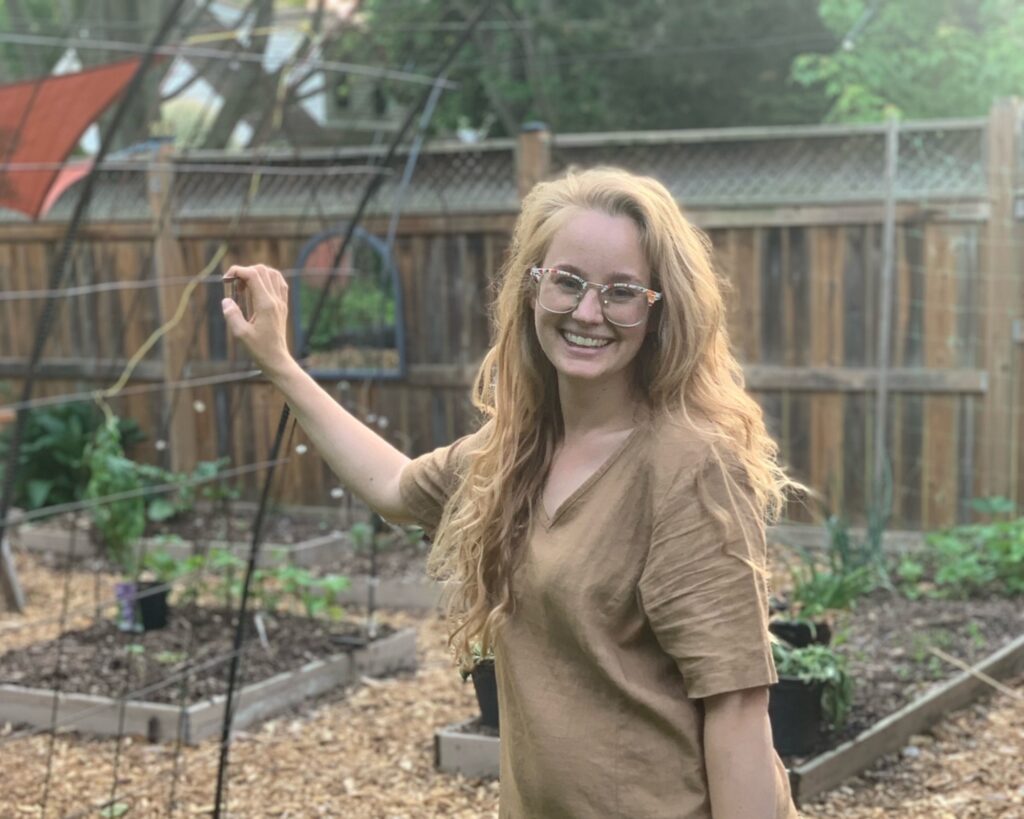
Katie is a Registered Horticultural Therapist (HTR) and member of the Canadian Horticultural Therapy Association (CHTA) with over ten years of experience in the industry. She began her career with BC Housing’s People, Plants and Homes program under the mentorship of Dr. Aimee Taylor, and later went on to lead the program at a provincial level. Katie’s work growing the program was recognized with BC Housing’s Service Excellence Award in 2019. Since then, she has run her own private practice and has worked across British Columbia in long-term care, assisted and independent living communities, and nonprofits, connecting people with themselves, their community, and nature.
A dedicated educator and facilitator, Katie designed her own undergraduate path in therapeutic horticulture, completing a minor in counselling along with coursework in horticulture, agriculture, psychology, and research, laying the foundation for a dynamic career in therapeutic horticulture. She also completed her Certificate in Horticultural Therapy with Master Level Horticultural Therapist (HTM) Ann Kent and helped conduct research under Dr. Lilach Marom.
Katie is passionate about mentoring students and new practitioners, knowing firsthand how impactful mentorship has been in her own journey. Through her past work with the Canadian Horticultural Therapy Association and current work with Root in Nature, she is committed to growing the profession, increasing access to therapeutic horticulture, and fostering community engagement.
Katie’s approach is collaborative, client-centred, and strengths-based. She often integrates her love of food and cooking into programming, connecting therapeutic horticulture with community food security and food justice initiatives. Outside of work, Katie loves entertaining, thrifting and being a cat mom.

Monthly Practitioner Support Call
GrowTH Network members can participate in monthly drop-in Q&A and check-in calls with Katie McGillivray, HTR. These calls provide a supportive environment where practitioners can seek guidance, share experiences, and engage in ongoing professional development.
Katie (she/her) is a Registered Horticultural Therapist (HTR) and member of the Canadian Horticultural Therapy Association (CHTA) who has been working in therapeutic horticulture since 2014, bringing more than a decade of experience across community, housing, long-term care, assisted living, and nonprofit settings.
She began her career with BC Housing’s People, Plants and Homes program under the mentorship of Dr. Aimee Taylor, later leading the program provincially. Her work expanding the program was recognized with BC Housing’s Service Excellence Award in 2019.
A dedicated educator and facilitator, Katie designed her undergraduate studies around therapeutic horticulture, combining counselling, horticulture, agriculture, psychology, and research. She completed her Certificate in Horticultural Therapy with Ann Kent, HTM, and contributed to research under Dr. Lilach Marom.
Her approach is collaborative, client-centred, and strengths-based, with a focus on connection, community engagement, and access to therapeutic horticulture.
Through her work with Root in Nature, Katie supports students and new practitioners while helping to grow the profession. Outside of work, she enjoys entertaining, thrifting, cooking, and being a cat mom.

Being in Place after Traumatic Experience: Therapeutic Horticulture as a Resource in Recovery
Trauma can rupture place identity— the internalized sense that one belongs to and is held by safe and meaningful environments. It can create a wound that remains open in the body, in the ways of relating to oneself, to others and the world.
Therapeutic Horticulture/Horticultural therapy can address this rupture through intentional engagement with plants, therapeutic gardens, and other ways of being in nature in order for people to recover agency, place identity and a sense of belonging in nature.
The aim of this presentation is to provide participants with a conceptual framework for understanding the relationship between trauma, place, and nature-based healing, and to generate ideas for designing trauma-informed horticultural therapy interventions with the session participants.
Joanne is a clinician, educator, organizer and researcher whose practice has been focused on trauma recovery using standard and nature based interventions. She taught social work at the graduate and post-graduate levels in the NC and PA university systems. She holds a Ph.D. from the University of Maryland and a Certificate in Horticultural Therapy from the Horticultural Therapy Instutute in Colorado. Currently, she serves on the Carolinas Horticultural Therap
Population Group Call: Children & Youth
This online event, led by Rebecca Reimer, will focus on therapeutic horticulture considerations for working with children and youth in educational, community, and care settings. With an emphasis on engagement, regulation, learning, and connection, the session will explore how plant- and nature-based activities can support developmental stages, as well as the social and emotional health and wellbeing of children and youth.
Drawing from her extensive experience with this population, Rebecca will guide the discussion, sharing insights from practice while also inviting participants to contribute their own experiences, questions, and strategies. This collaborative format supports knowledge exchange, highlights diverse approaches, and deepens collective understanding of how therapeutic horticulture can be thoughtfully adapted to meet the needs of children and youth.
Rebecca is a therapeutic horticulture practitioner and program leader with experience designing and delivering horticulture-based programs in educational, community, and therapeutic settings. She currently serves as a Therapeutic Horticulture & Grounds Manager at a private K-12 school, integrating evidence-informed practice, accessibility, and trauma-aware approaches into program development and landscape management.
Rebecca is actively working toward her Horticultural Therapist Registered (HTR) designation and completed foundational horticultural therapy training under Mitchell Hewson. With a background in biblical studies, children’s ministry, and human services, she is committed to using plants and green spaces to support well-being, connection, and meaningful participation across the lifespan.